
The Keepers Behind the Light
Before each tower became a landmark, it was a workplace shaped by weather, discipline, and careful attention.
“A lamp could be polished in minutes; judgement at sea-facing windows was learned over years.”
The keepers in these records were observers of shifting water, maintainers of difficult machinery, and coastal workers whose routines bound each station to the communities around it. Their logs, repairs, and night watches gave the towers a human rhythm that masonry alone could never hold.
Keepers’ voices
Oral-history fragments from the northern coast lights
These brief excerpts capture routine, weather, and responsibility in the keepers’ own cadence—small records that make the coastline’s history feel inhabited.
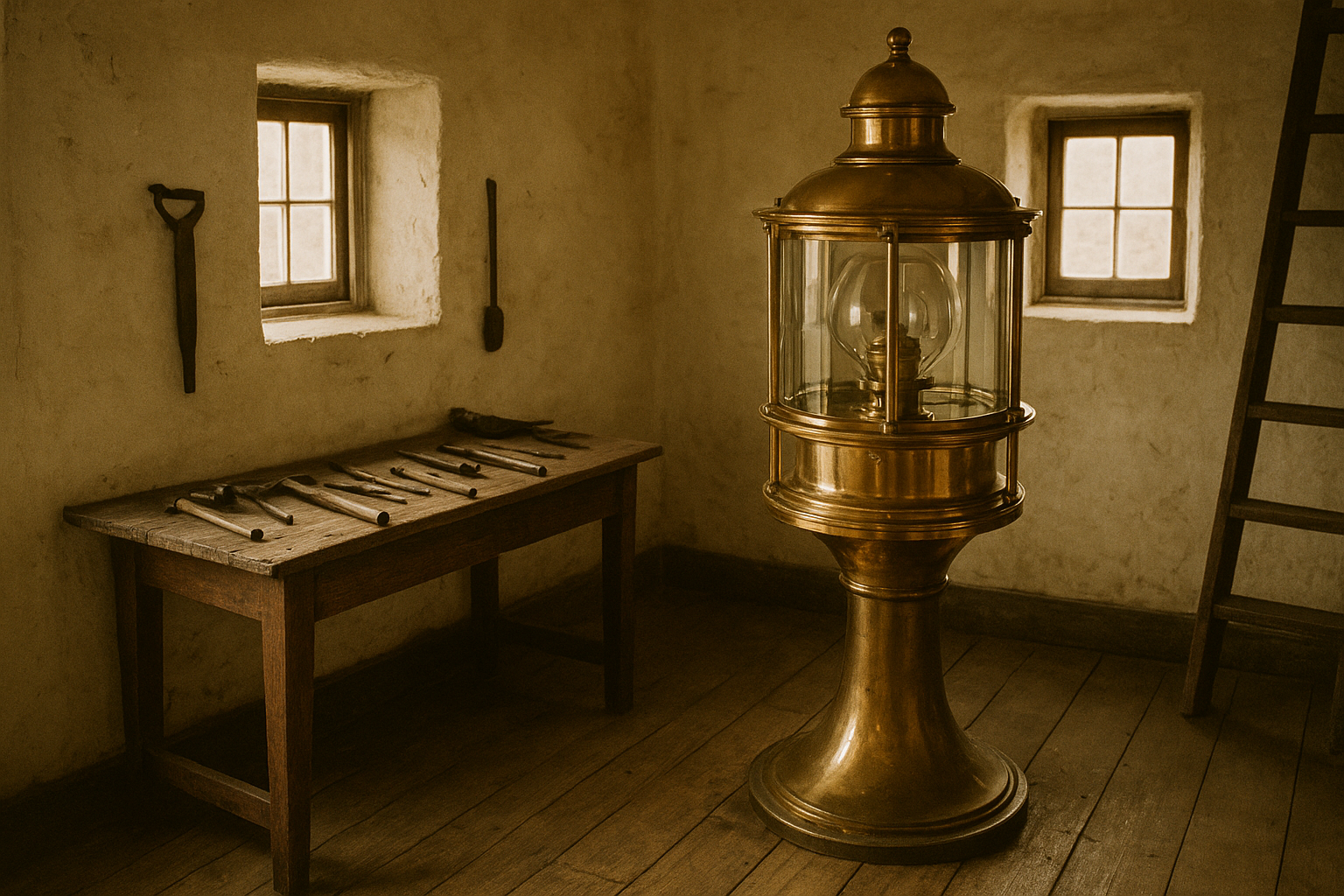
Life at the light
Work, weather, and stewardship around the beacon
These themes widen the keeper story from personal recollection to shared routines, changing conditions, and long-term preservation practice.
-
Routine and maintenance
Cleaning glass, checking fuel, and reading weather became the repeated structure that made each light dependable.
-
Isolation and observation
Many stations demanded long attention to sea, sky, and sound, turning isolation into a form of expertise.
-
Preservation after service
As technology changed, surviving stations remained as material records of labor, navigation, and coastal resilience.